Agency Client Retention: Practical Ways to Cut Churn
Agency client retention guide, spot churn early, run better QBRs, improve onboarding, and tighten contract renewal tracking.
Losing a client rarely starts on renewal day. It starts earlier, when trust slips, reports feel vague, or the right stakeholder stops showing up.
That's why agency client retention is less about heroic save calls and more about steady account discipline. When you spot risk early and fix the process behind it, churn drops.
The real drivers of churn for marketing agencies
Most churn for marketing agencies doesn't come from one bad month. It comes from a slow confidence leak. The client stops seeing the path from your work to their business result, so they start shopping.
In 2026, benchmark roundups like Focus Digital's agency churn report show a wide annual churn range, often 20% to 50%. Retainer shops that run tight systems aim to stay below 20%. That gap tells the story. Strong client retention for marketing agencies comes from operations, not luck.
The common causes are familiar:
- Bad-fit deals sold under pressure
- Weak onboarding in the first 30 days
- Goals that sound nice but can't guide decisions
- One-threaded relationships with only one contact
- Reporting packed with activity, not outcomes
- Renewal dates buried in inboxes and spreadsheets
Most agency client churn starts as a confidence problem, then becomes a contract problem.
Clients rarely leave because of one dashboard. They leave because confidence fades and nobody catches it.
Diagnose root causes before you try to save the account
If you've searched "how to help churn", start here. Don't jump to discounts, freebies, or panic strategy decks. First, find the exact moment the account went off track.

Use a simple four-step review:
- Look at the timeline. When did replies slow down, meetings get pushed, or approvals stall?
- Compare the sold promise to the current scope. Many churn issues begin with a sales to service mismatch.
- Map sentiment by stakeholder. Your main contact may be happy while the budget owner has doubts.
- Check admin risk. Late paperwork, unclear renewal owners, and missed end dates create avoidable losses.
Guides like Swydo's churn KPI breakdown are useful because they push teams to track behavior, not just results. Watch for leading signals such as response lag, missed meetings, falling usage of shared tools, unpaid invoices, and fewer requests for new work.
The phrase "how to reduce client churn agency" sounds like a shortcut. It isn't. You need a monthly account review that turns gut feel into visible risk.
Build a retention process long before renewal
The first 30 to 45 days matter more than most agencies admit. Current 2026 retention data across service businesses suggests a large share of churn lands early, often because onboarding never created momentum.
Want to know how to keep retainer clients? Give them a clear start, clear wins, and clear ownership.
A solid onboarding motion should cover a few basics:
- A 90-day plan with milestones, owners, and dates
- One success sheet that defines goals, KPIs, and what "working" means
- A stakeholder map with the day-to-day contact, decision-maker, and internal blocker
- A meeting cadence, plus an escalation path when results or approvals slip
After onboarding, reporting has to move up a level. Clients don't buy click-through rates. They buy more pipeline, better lead quality, stronger close rates, lower waste, or clearer direction. Tie every update to one of those outcomes.
That also means changing how account teams talk. Replace "We posted 18 times" with "Organic reached 42,000 local buyers, and branded search rose 11%." One line connects activity to business value. The other reads like a task list.
Stakeholder mapping matters just as much. If only one person knows your value, you're one job change away from churn. Add the budget owner to key calls. Share short summary notes they can forward. Build trust above and beside your main contact.
Run QBRs and protect the renewal window
Quarterly business reviews are where retention gets defended. A good QBR resets the account around goals, choices, and next-quarter bets. It also gives your team a clean place to discuss what isn't working before frustration hardens.
Keep the QBR simple. Show what changed in the market, what results moved, what the agency learned, what risks remain, and what decisions the client needs to make next. Bring more than the main contact when possible. That widens support and lowers surprise.
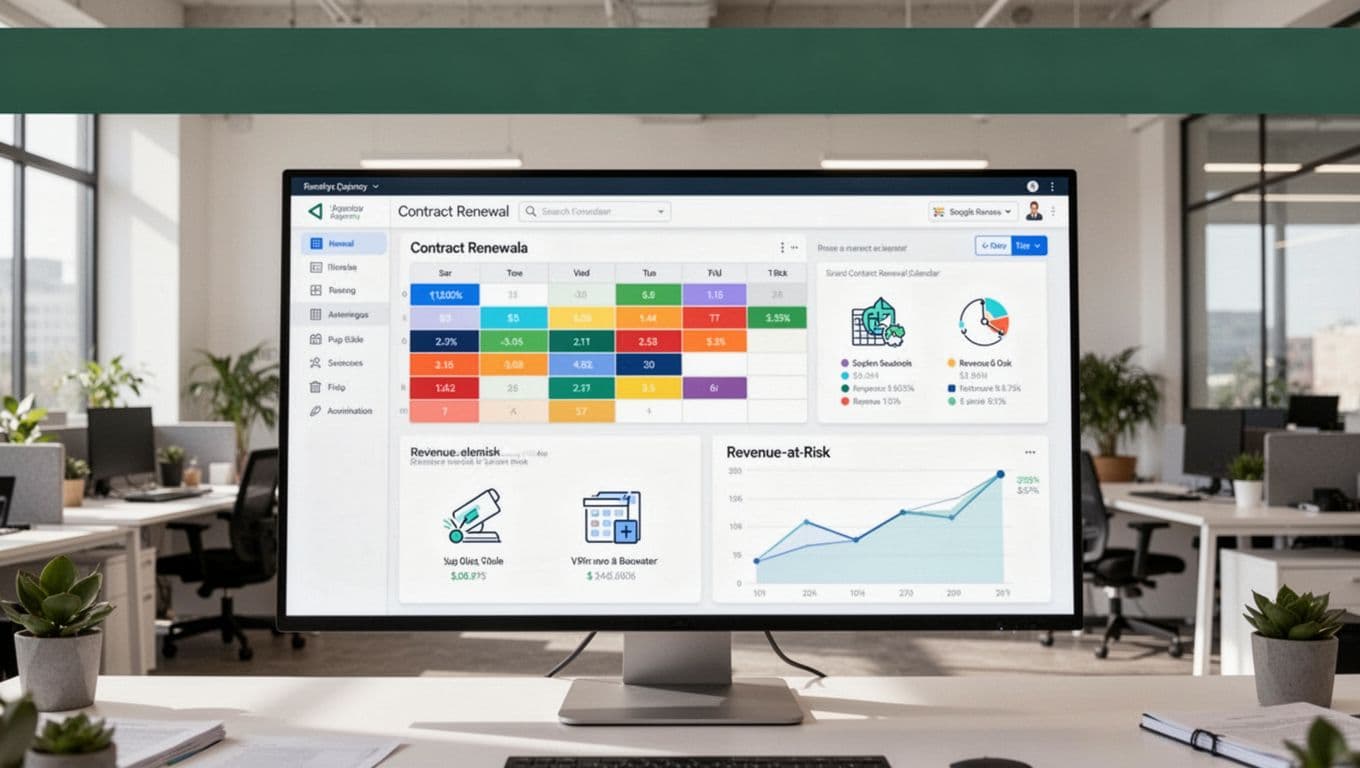
At the same time, don't let admin create churn. Contract renewal tracking should begin 60 to 90 days before the end date, not the week before. A good retainer management software setup shows every contract, owner, renewal stage, and revenue at risk in one place. It should also send contract expiry reminders automatically, because memory is not a system.
Teams that still manage renewals in scattered docs can use contract renewal dashboard tools to centralize dates, alerts, and risk. If you want to test it on live accounts first, you can Start Free.
Build a churn-risk score your team will use
A churn score works when it's plain enough for account managers to update every week. You don't need a data science project. You need a shared view of risk.
Here's a simple model:
| Signal | Low risk | High risk |
|---|---|---|
| Stakeholder engagement | Multiple contacts attend | Only one contact responds |
| Goal clarity | KPIs agreed and reviewed | Success is vague |
| Delivery confidence | Wins are visible | Results feel hard to explain |
| Renewal status | Date, owner, next step set | No owner, no plan |
| Client behavior | Fast replies, new asks | Delays, silence, canceled calls |
If three or more areas drift, flag the account and act. Some agencies now borrow ideas from churn prediction models for agency clients, but even a basic score beats a vague "this one feels shaky" comment.
The point is simple. Measure risk before revenue disappears.
Client churn doesn't begin with a cancellation email. It begins when confidence, clarity, and cadence break down.
The agencies that win on agency client retention do the boring things well. They onboard cleanly, report on outcomes, widen stakeholder trust, run strong QBRs, and never leave renewals to chance.