How to Build a Renewal Process That Actually Works
Build a renewal process that reduces agency client churn for marketing agencies with contract renewal tracking and early reminders that work.
Why do strong accounts still slip away? Usually because nobody owns the renewal date, the follow-up comes too late, and the client only hears from you when the contract is already close to expiring. A good renewal process gives your team a simple rhythm, so every account gets the same attention.
For agencies, that matters more than ever. When one missed date turns into a lost retainer, the problem is not talent. It is the system around the work.
Why agency renewals break down
Agency client churn often starts long before the final email. The account looks fine on paper, but the renewal is sitting in a spreadsheet, a Slack thread, or one person's inbox. Then someone goes on vacation, the date passes, and a healthy client becomes a surprise loss.
That is why churn for marketing agencies can feel random. It is not random at all. It comes from weak follow-through, mixed ownership, and no clear next step.
For a clear look at client churn prevention for marketing teams, renewals should be treated like active accounts, not paperwork.

The main fix is simple. Stop depending on memory and start depending on process.
Build one source of truth for every contract
The cleanest renewal process starts with one place to track every retainer, end date, owner, and notice period. That is contract renewal tracking in practice. Without it, your team will always chase old threads.
If you use contract renewal tracking features, the goal is simple, keep every account visible before the client needs to ask. If you do not have a tool yet, at least keep these fields in one system:
- Client name and owner.
- Contract end date and notice window.
- Last value review date.
- Renewal status, such as green, yellow, or red.
- Next action and due date.
Start the process 90 days out, not 10. That gives you time to fix problems, show recent wins, and get approvals. It also helps you spot quiet risk before it grows.
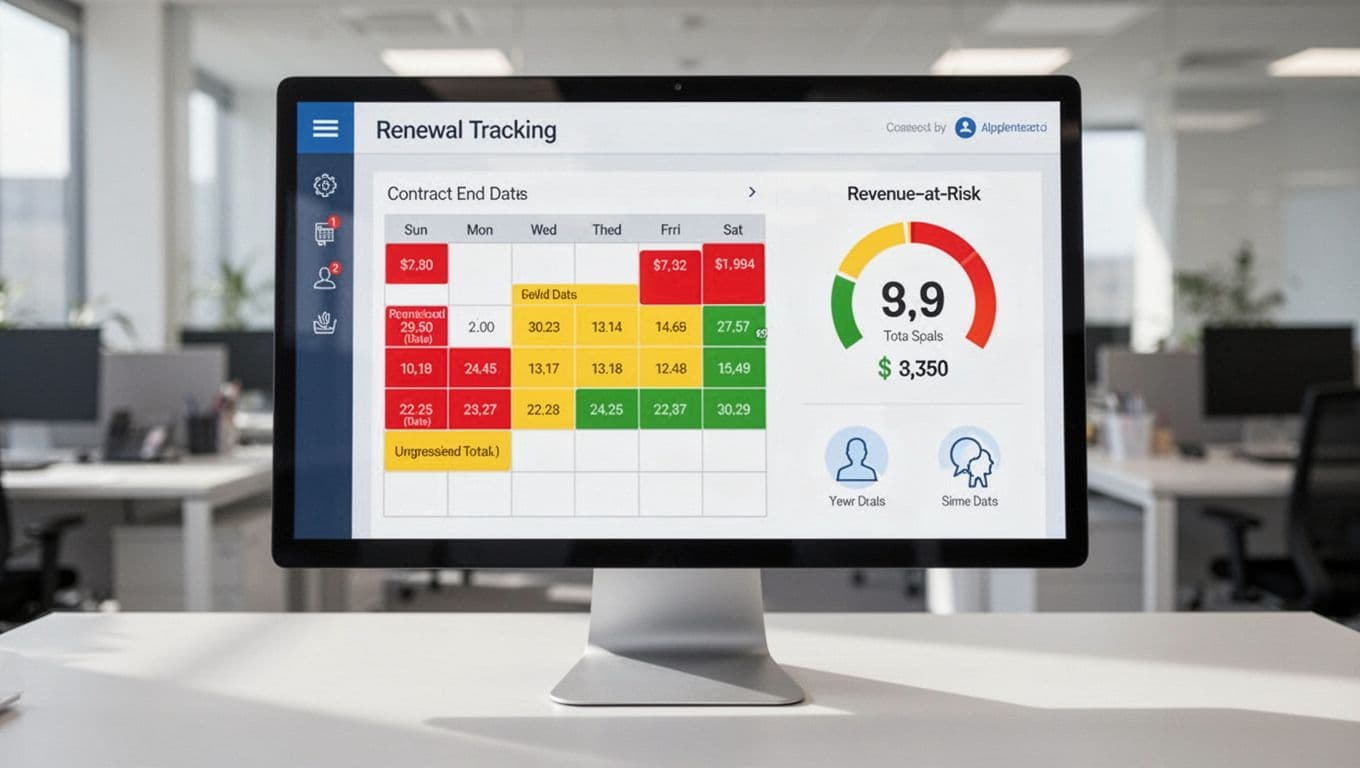
A visible calendar does more than keep dates in order. It gives the whole team one shared view of risk.
Automate reminders without sounding robotic
Contract expiry reminders work best when they are early, clear, and repeated. A 30-day nudge is good. A 14-day reminder is better. A 7-day final check keeps no one guessing.
This is where retainer management software earns its keep. It handles the repeat work, then your team can focus on the conversation. If a reminder just says the contract ends soon, it feels like a form letter. If it mentions the last result, the next milestone, and the decision needed, it feels useful.
You can also keep renewal emails human by adding a short note from the account owner. A line like, "We just finished the landing page rollout, and the next phase is ready," gives the client a reason to stay engaged.
If you want a simple setup, read the retainer tracking common questions, compare KeepClient pricing plans, and Start Free once you know the fit. That is an easy way to test the workflow without dragging it out.
Automated reminders should save time, not erase the human part of the relationship.
Make renewal talks part of client retention
Renewals should sound like part of the relationship, not a surprise sales pitch. That is the heart of client retention for marketing agencies. When you talk about outcomes regularly, the renewal meeting feels like a checkpoint, not a defense.
Monthly or quarterly value reviews work well. Share what changed, what improved, and what still needs attention. Then ask what the client wants next. That simple rhythm helps you learn how to keep retainer clients without waiting for warning signs.
For deeper reporting habits, regular client reporting can support the same goal. Clear results make renewal talks easier because the client does not need to guess what they paid for.
If you are asking how to help churn, the answer is to make every renewal conversation start earlier. If you are asking how to reduce client churn agency-wide, start with the renewal meeting cadence.
Review the process every month
A renewal process only works if someone checks it. Set one owner for the pipeline, then review every at-risk account each month. Look at overdue follow-ups, missing value notes, and contracts close to expiry. That keeps agency client churn visible before it becomes a revenue gap.
You should also track a few simple numbers, such as on-time renewals, accounts with no recent contact, and revenue at risk in the next 30 days. If those numbers are drifting, the process needs a fix, not more reminders.
A good place to compare metrics is client churn KPIs. The point is not to build a giant report. The point is to see trouble while you can still act on it.
When the process is clear, renewals stop feeling chaotic. The team knows what to do, the client knows what to expect, and no one waits until the last minute to talk about value.
Conclusion
A renewal process that works is built on dates, ownership, and steady follow-up. It does not rely on memory, one person's inbox, or hope.
If you want better agency client churn results, start with the basics, track every contract, send contract expiry reminders early, and tie each renewal to real value. That is how you reduce client churn agency-wide without adding more noise.
The best renewal process is simple enough to run every week, and strong enough to keep surprises out of the pipeline.