How to Write a Retainer Renewal Email That Gets a Response
A retainer renewal email that opens with context, uses clear subject lines, and helps agencies cut churn and win renewals.
Clients rarely ignore renewals because they want out. More often, the email arrives too late, sounds too generic, or asks for a decision without enough context.
A strong retainer renewal email does more than request another signature. It reminds the client what you have already built, makes the next step obvious, and lands before the account goes quiet. Sending a professional subscription renewal email is essential for long-term customer retention, especially for marketing agencies where silence at renewal time can be mistaken for interest when it is really just drift.
Key Takeaways
- Start the process early: Avoid last-minute pressure by tracking renewal dates and sending reminders at the 30, 14, and 7-day marks to ensure the client feels planned rather than surprised.
- Prioritize clarity and context: Frame your renewal emails as a helpful project update by highlighting current wins and goals rather than treating it as a generic administrative task.
- Write useful subject lines: Increase your open rates by using specific, low-pressure subject lines that include project names or dates, avoiding vague phrases like "touching base."
- Simplify the call to action: Keep the body of your email concise and easy to scan, providing a single, clear next step that minimizes friction for the client to confirm their renewal.
Start before the deadline gets close
Most renewal problems start long before the email is written. If you wait until the final week, the message feels rushed, and the client has less room to think, which can negatively impact your churn rate.
Track the renewal date, your client health score, the revenue forecast, the last major win, the biggest concern, and who signs off. Those details keep the email specific. They also help with agency client churn, because the accounts most likely to slip are often the ones that lose attention first.
If you want to know how to help churn move in the right direction, start with visibility. A timely renewal reminder keeps account status in sight, and it gives you time to act while the client still feels calm.
A renewal note works best when the client reads it as a planning step, not a surprise.
That simple shift matters. When the deadline is already on everyone's calendar, the conversation feels normal. When it shows up out of nowhere, even loyal clients hesitate.
Write a subject line that sounds useful
Your subject line should feel like a helpful heads-up, not a aggressive sales push. People are far more likely to open messages that sound specific and low-pressure. To increase your response rate, prioritize personalization by including relevant project names or upcoming dates.
Keep it plain. A few good examples are:
- Renewal window for your retainer
- Next steps for your contract
- Checking in before your agreement ends
- Membership renewal for Q3
- Review your retainer for next quarter
Each example tells the reader exactly what the email is about. None of them sound like a generic blast sent to a massive list.
Avoid vague lines like "Quick question" or "Touching base." Those phrases waste the one thing you need most, which is your client's attention. A clear subject line also makes the message easier to find later when the client needs to search their inbox with legal or finance teams in the thread.
If the account is important, add a specific company name or date. A subject like "Renewal review for Northstar, June 30" feels more useful than a generic note. It tells the client the email is relevant before they even open it.

Open with the client's current goals
The first line should remind the client why the retainer exists. Use this space for value reinforcement by mentioning the primary goal they care about, the key result you are driving, or the specific campaign that moved the needle.
That opening matters because it frames the email as part of the ongoing work rather than a separate administrative task. A line like "We have made strong progress on paid search this quarter" is much better than "Your renewal is coming up." One sounds like a helpful project update, while the other sounds like a cold financial notice.
This is also where timing matters most. To keep your workflow organized, you should aim for a professional rhythm at 30 days, 14 days, and 7 days before the service expiration date. By setting up an automated email sequence, you ensure these reminders are sent consistently without manual effort. This approach respects their billing cycle and provides them with ample time to review the agreement without feeling cornered.
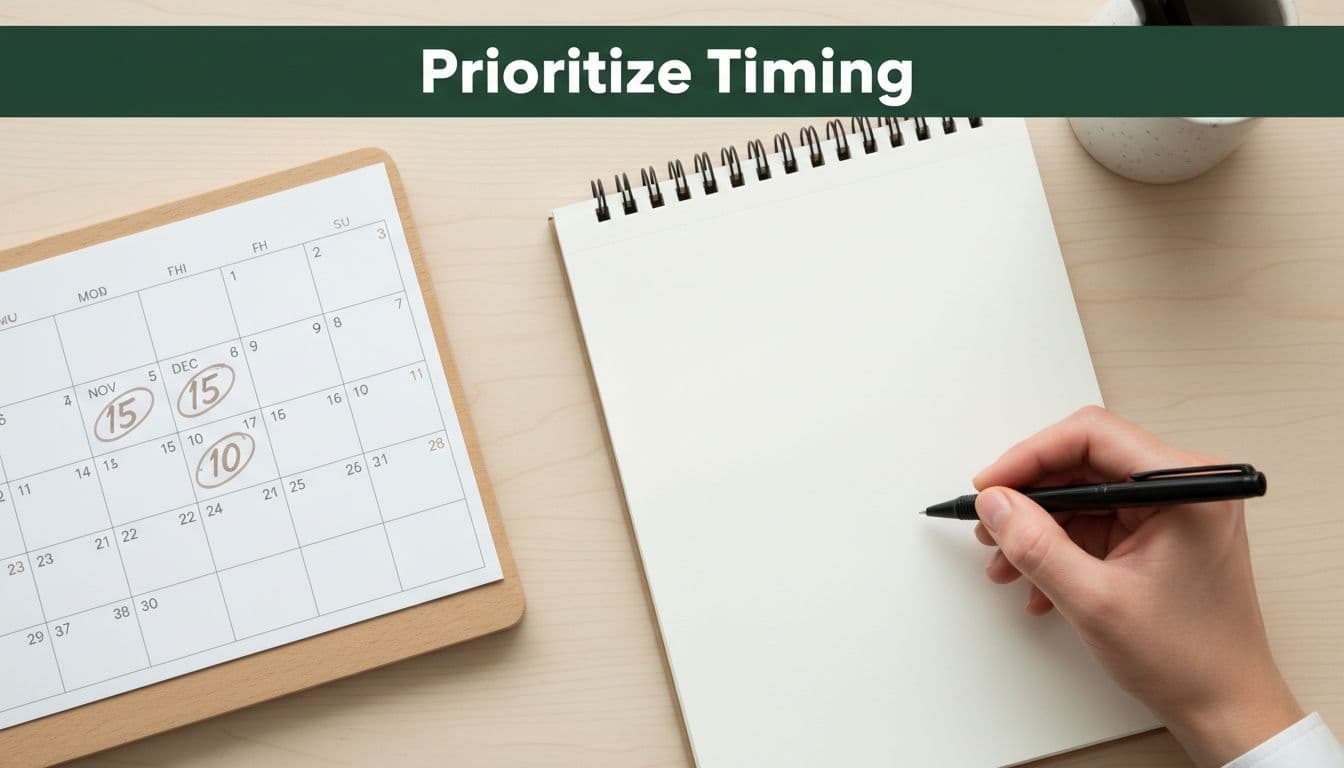
A well-timed note does a lot of heavy lifting for you. It gives the client breathing room, shows that you respect their schedule, and keeps the renewal date clearly on their radar. Proactive communication is one of the most effective strategies to learn how to reduce client churn agency teams can control.
Make the body easy to scan and reply to
A retainer renewal email should be quick to read. If the client has to hunt for the point, the reply gets delayed.
Keep the structure simple. This format works well:
| Email part | What it should do | Example |
|---|---|---|
| Opening | Reconnect to the work and result | "The lead volume has stayed strong this quarter." |
| Renewal detail | State what is ending and when | "Your retainer ends on June 30." |
| Next step | Make the reply easy | "Reply with yes, and we'll send the updated agreement." |
The goal is clarity. The client should know why you are writing, what is changing, and what they need to do next. By using personalization, you ensure the retainer renewal email feels tailored to their specific wins rather than a generic template. This level of attention helps the email stand out in a busy inbox.
A short body also feels easier to answer. You do not need five paragraphs of praise; you need one clear reason to continue and one clear call to action. To reduce friction, you might include a one-click payment link or offer an early renewal incentive for clients who confirm before the current term expires. Both strategies provide a direct path forward.
If the client wants edits, mention that too. A simple line like "If you would like to adjust scope, send me your notes" keeps the door open without sounding vague. Ultimately, a strong call to action removes friction by giving the client one clear task, not three, which significantly increases your chances of a timely response.
Build a renewal system your team can trust
The most effective renewal email is one sent as part of a well-organized process. Your team needs reliable contract renewal tracking that clearly shows what is expiring, when it expires, and exactly how much recurring revenue is at risk.
Implementing a formal renewal strategy protects your bottom line and is a key driver for long-term customer retention. Retainer management software provides the visibility needed to manage these timelines effectively, keeping renewal history accessible so you can replicate past successes. This kind of oversight is essential for professional account management, as it allows your team to spot trends before they turn into churn.
If you are looking to improve how you keep retainer clients, the answer lies in better follow-through. By setting up an automated email sequence, you can trigger a 30-day, 14-day, and 7-day reminder to keep the account warm without overwhelming the client. Similar to how SaaS providers use contract forecasting to analyze client lifetime value and predict potential gaps, you should use your renewal data to approach clients with relevant context rather than last-minute urgency.
Tools built for automated retainer renewal tracking make this process seamless by centralizing every contract date. These platforms ensure that contract expiry reminders are sent well before the deadline slips past, giving your team the time required to nurture the relationship.
If your team is still relying on manual spreadsheets and scattered inbox notes, Start Free and consolidate your active contracts into one place before the next renewal period arrives.
Frequently Asked Questions
How far in advance should I send a renewal email?
You should start your renewal sequence at least 30 days before the contract expires. This cadence allows you to send follow-up reminders at the 14-day and 7-day marks, ensuring the renewal remains on the client's radar without creating unnecessary urgency.
What should I do if a client wants to change the scope of work?
Always keep the door open for adjustments by explicitly stating that they can provide notes for changes. Phrases like "If you would like to adjust scope, send me your notes" maintain a collaborative tone while still keeping the renewal process moving forward.
How can I make the renewal process less administrative for the client?
Focus on making the reply as easy as possible by providing a clear call to action, such as requesting a simple "yes" to proceed. You can further reduce friction by including one-click payment links or offering early renewal incentives to encourage a quick decision.
Why are generic subject lines ineffective?
Generic subject lines are easily ignored or mistaken for automated spam, which wastes your opportunity to capture the client's attention. Specific subject lines that include company names or project details demonstrate that the email is relevant and intended for them, significantly increasing your chances of a timely response.
Conclusion
A renewal email gets a response when it feels familiar, timely, and easy to answer. A strong subject line opens the door, while the first line ties directly back to the client's current goals. By following these steps, your subscription renewal email will perform far better than a generic win-back email.
This approach also helps you manage churn in a practical way. Beyond manual outreach, you can address involuntary churn caused by payment failure by clearly communicating your grace period policy within the agreement. Furthermore, using behavioral segmentation allows you to tailor your communication style, helping to prevent subscription fatigue among your most loyal, long-term clients.
These small shifts lower the chance that a valuable account slips away simply because a deadline was overlooked. Keep the message short, start the process early, and keep your calendar visible. That is how a retainer renewal email earns a reply instead of becoming another unread note in a crowded inbox.