The Contract Tracking Mistake That Costs Agencies Thousands
Agency contract tracking helps agencies catch renewals early, cut churn, and keep client revenue in view with contract renewal tracking.
A missed contract date can do more damage than a weak campaign month. One forgotten renewal can turn into unpaid work, a rushed sales scramble, and a client who quietly slips away.
That's why agency contract tracking matters so much. The real loss usually comes from poor visibility, not bad results. If your team can't see what's expiring, you're already behind.
The hidden cost of lost visibility
Most agencies don't lose clients because of one dramatic failure. They lose them because no one spotted the warning signs in time. That's where churn for marketing agencies gets expensive.
When a retainer rolls forward without a review, the account can drift. The client keeps getting reports, but nobody starts the renewal conversation. By the time someone notices, the contract is already close to lapse, and the revenue gap is real.
That pattern shows up in a lot of breakup stories. Why brands break up with agencies points to a simple truth, clients leave when the work stops feeling worth it. Client churn warning signs makes the same case, especially around weak communication and unclear value.
For client retention for marketing agencies, that means one thing. You need a clear view of every renewal before the client starts asking harder questions.

Where the tracking mistake starts
The mistake is usually simple. Agencies keep contract dates in a spreadsheet, an inbox, and someone's calendar. That feels organized until the one person who knows the system gets busy or leaves.
Here's the problem in plain terms.
| Tracking setup | What goes wrong | Better move |
|---|---|---|
| One shared spreadsheet | Dates get stale fast | Keep one live dashboard |
| Inbox reminders | Messages get buried | Use contract expiry reminders |
| Personal calendar notes | Only one person sees them | Assign team ownership |
Better agency client churn control starts with one source of truth. A central dashboard keeps renewal history, owners, and deadlines in the same place. That's where contract tracking capabilities matter most, because they turn a date on a page into action the whole team can see.
A reminder only works if someone owns the next step.
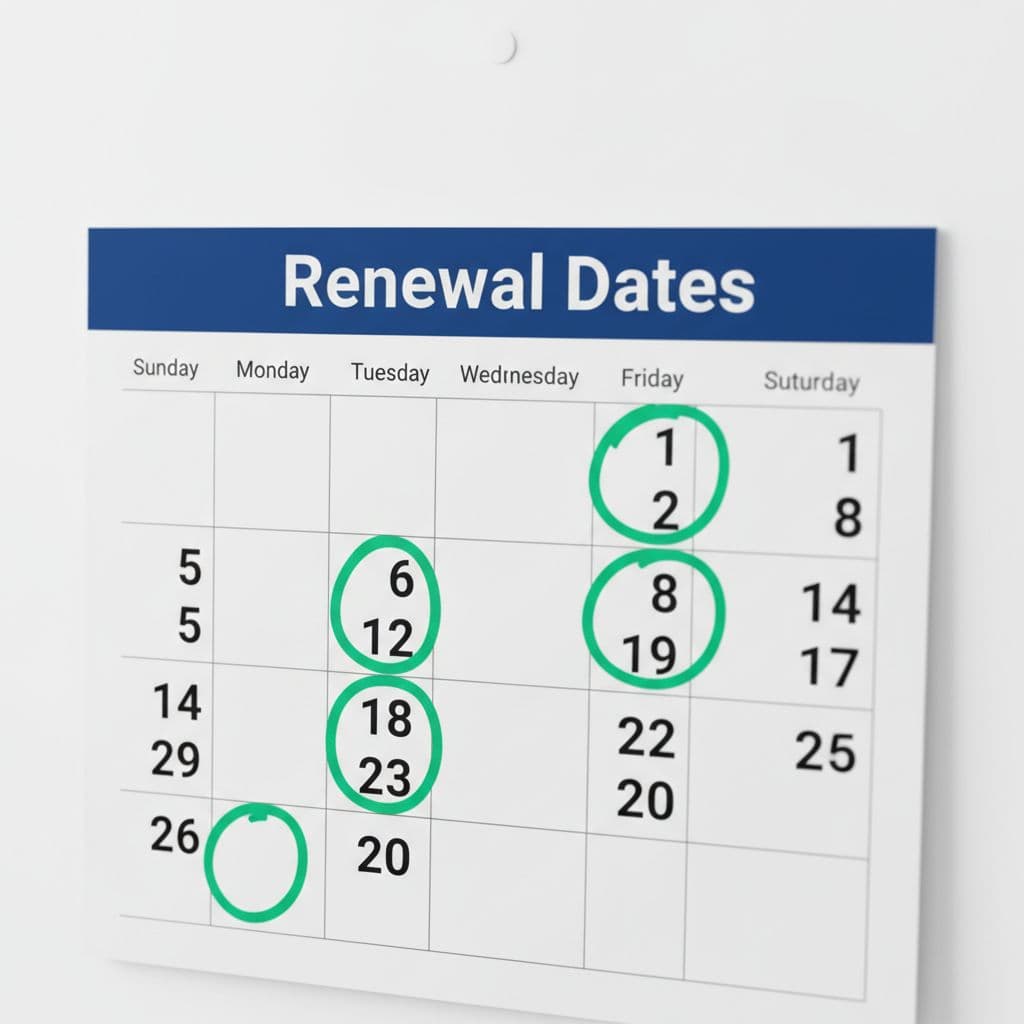
That's also why contract renewal tracking needs more than a date field. It needs urgency, context, and a clear follow-up path. Without that, you're counting on memory, and memory is a weak system for revenue.
A simple system that keeps renewals in view
A better process doesn't need to be complex. It needs to be visible, repeatable, and owned.
Start by putting every active contract in one place. Then add renewal dates, notice periods, and client owners. After that, set alerts before the deadline, not after it. A good retainer management software setup does this without forcing your team to chase dates by hand.
The best teams also track risk, not just time. If a client has had slow approvals, reduced scope, or weaker reporting engagement, that account needs attention earlier. That's how to help churn before it becomes a lost renewal. It also answers the question of how to reduce client churn agency teams see every quarter, because the fix is early visibility, not a bigger sales push at the end.
If you're comparing agency pricing and tiers, look at contract volume, team seats, and reminder automation, not just the monthly fee. Cheap software gets expensive when one missed renewal costs a full retainer.
When people ask how to keep retainer clients, the answer often starts here. You can't retain what you don't track.
Renewal reminders only work when the team acts
A reminder email is not the finish line. It's the start of a renewal process.
The strongest teams use alerts to trigger a real conversation. They review wins, note any service gaps, and outline the next 30 to 90 days. That keeps the client focused on progress instead of price. It also makes agency client churn easier to spot before it becomes a problem.
This is where clear notes matter. If a client nearly lapsed once, record why. If they renewed late, capture the reason. Those small details help you spot patterns across accounts, which makes future renewals easier to manage.
If setup questions come up, the common questions page is a useful place to start. And if you want to stop relying on spreadsheets, you can Start Free and get your first contracts under control with no credit card required.
Conclusion
The expensive mistake is rarely the contract itself. It's the gap between the expiration date and the moment your team notices it.
When agency contract tracking is clear, renewals stop hiding in inboxes and spreadsheets. That means fewer surprises, better client retention for marketing agencies, and a much cleaner path to steady revenue.
One missed date can cost thousands. A visible system can stop that leak before it starts.