The Renewal Email That Keeps Clients Engaged
A renewal email for marketing agencies, with timing tips, client retention ideas, and contract renewal tracking to cut churn.
A client rarely leaves because of one bad email. More often, they drift because nobody brings up renewal at the right time.
A strong renewal email gives them a clear next step, a reminder of value, and a reason to stay in motion. For client retention for marketing agencies, that mix matters as much as the work itself. It also helps when churn for marketing agencies starts to build quietly, one missed date at a time.
The best messages feel timely and useful, so the real question is how to make them land before silence does.
Why renewal emails matter when agency churn rises
Agency client churn rarely starts with a dramatic complaint. A contract ends, someone gets busy, and the client assumes they'll hear from you later. Meanwhile, your team assumes the client already replied.
If you're wondering how to help churn, start before the end date. A renewal note gives the client a clear choice while the relationship still feels active. It also gives your team one more chance to frame the value you delivered, instead of only reacting after the account slips.
When the client sees that you noticed the timeline, trust goes up. They don't have to chase you for the next step, and your team doesn't have to guess who owns the renewal. One overlooked renewal can look small, but it often leaves a real hole in next quarter's pipeline.
That's where automated alerts for client renewals help. They keep renewal dates visible, so account managers can act before the work goes quiet.

A good renewal email arrives before the client starts thinking about alternatives.
What the message should actually say
A renewal note doesn't need a long pitch. It needs a clear reason to keep the conversation moving.
A strong email usually includes:
- a quick reminder of the current agreement
- a short note on progress or results
- the renewal date, or the next step if the date is flexible
- one simple question that makes reply easy
That structure keeps the message short and easy to scan. It also protects you from sounding pushy, because the email reads like service, not pressure. If your team keeps asking common process questions, the renewal management FAQs are a useful reference.
Keep the language plain. You don't need a long promise, because the client only needs a reason to reply. Plain words often work better than polished copy, especially when the decision is simple.
The tone matters here. A renewal email should sound like a partner checking in, not a rep closing a deal.
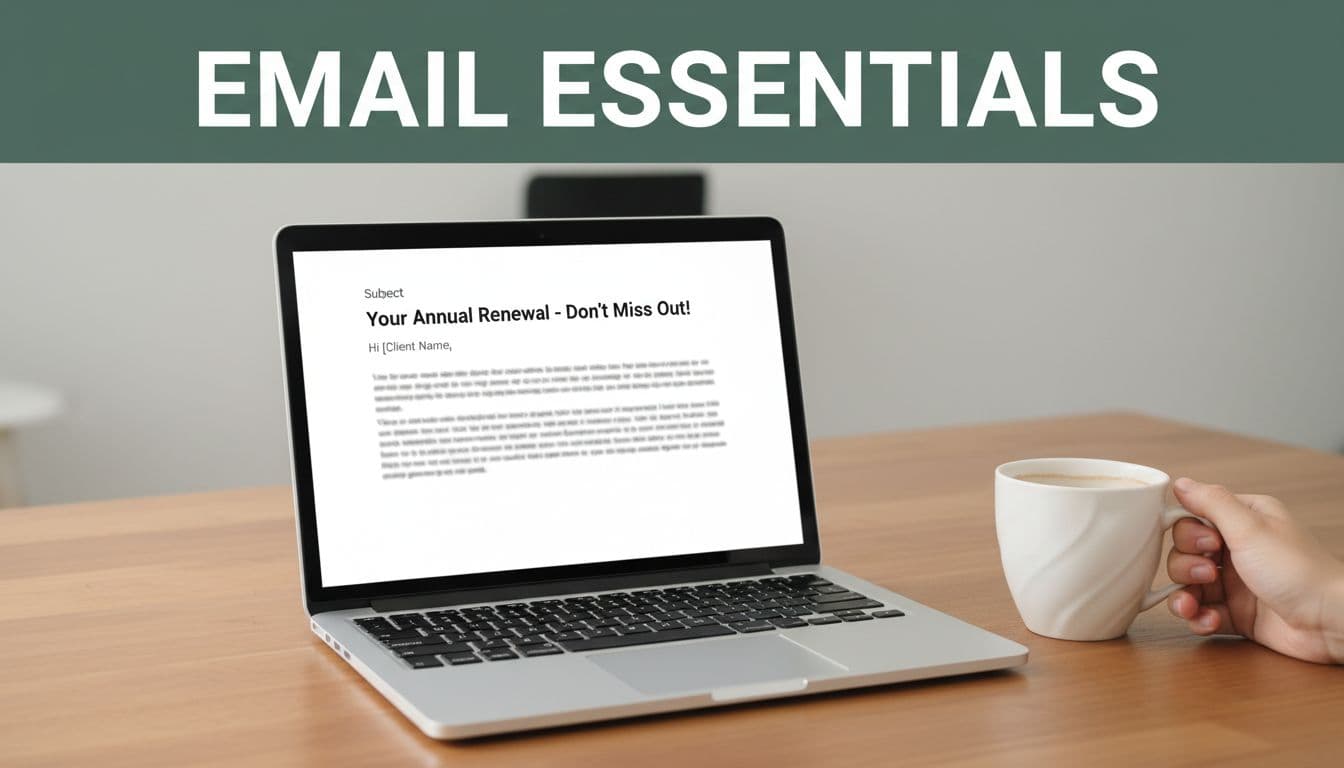
Automation keeps the follow-up on time
Good timing is hard when your team manages dozens of retainers. Spreadsheets fill up, Slack pings get buried, and one missed date can create a scramble. That is why contract renewal tracking matters so much.
The right retainer management software puts the dates in one place and sends contract expiry reminders before the deadline arrives. Alerts at 30, 14, and 7 days give account leads time to review performance, check in with the client, and line up the next step without panic.
If you're comparing retainer tracking subscription costs, look at the time saved on follow-up, not only the monthly fee. A cheaper tool that nobody updates still leaves you exposed.
The payoff is clearer than a saved send. Managers can spot revenue at risk before it turns into lost work. When several contracts end at once, that visibility keeps one account from drowning out the rest.
With renewal history in one place, each new note gets smarter. You can see when a client needs a nudge, or when they need space. That makes the next email feel informed instead of repetitive.
If you want to get started fast, Start Free and add the contracts that matter most first. You don't need to fix every process at once.

Make the email feel personal, not pushy
The best renewal messages sound specific. They mention the client's goals, the work that mattered, or the next phase you already discussed. That small detail changes the feel of the message right away.
For teams asking how to reduce client churn agency-wide, the answer is often better context. Tell the client what stays in place if they renew. Mention what your team can improve next month. Then ask one direct question, like whether they want to keep the current scope or revise it.
This is how to keep retainer clients without making every check-in feel awkward. It also helps with agency client churn, because clients are more likely to renew when the value is easy to picture.
A short renewal note can also open the door to a better scope. If the client wants a smaller package, you still keep the relationship alive. Renewal history also helps here. If the client renewed late last time, your next email can arrive earlier.
A few small habits make the message stronger:
- Use the client's name and project context.
- Reference one result, not every result.
- Keep the ask simple.
- Leave room for a quick reply.
When the email feels like a continuation of the work, renewal stops feeling like a formality. It becomes part of how the account is managed.
Conclusion
A renewal email works when it shows up on time, says something useful, and makes the next step easy. That simple pattern can protect revenue and cut down on last-minute saves.
For marketing agencies, the real win is consistency. Once renewal dates, reminders, and follow-ups live in one place, the process feels calm instead of reactive. That is what separates a busy inbox from a stable retainer base.