What a Healthy Agency Client Roster Actually Looks Like
Build a healthier agency client roster with renewal tracking, clear ownership, and fewer churn risks across accounts.
For any agency owner, a busy shop is not always a healthy one. Within the traditional marketing agency framework, a full pipeline can hide weak retention, messy renewals, and too much risk tied to one or two accounts. This is a common flaw in a growth at all costs agency model, where the focus remains on acquisition rather than long term sustainability. A healthy agency client roster feels steady, with enough spread across clients that one loss does not rattle the team. If churn for marketing agencies keeps showing up at the worst time, the problem may be sitting in the roster itself.
That is where to look first. The shape of your client list says a lot about cash flow, team stress, and how long accounts stay open.
Key Takeaways
- Prioritize Balance over Volume: A healthy roster isn't just about high client counts; it's about diversifying revenue so that losing a single account is a manageable annoyance rather than a business-threatening crisis.
- Staggered Renewals are Essential: Avoid the stress of 'panic weeks' by staggering contract expiration dates throughout the year, ensuring your sales and account management teams have consistent, manageable workloads.
- Visibility is the Key to Retention: Most churn starts with small, accumulating problems; using a centralized tracking system allows you to identify warning signs, manage renewals proactively, and maintain clear communication.
- Conduct Monthly Roster Reviews: Dedicate time each month to audit client health, evaluate scope creep, and ensure every account has a clear owner and a documented path to renewal.
The signs of a balanced client roster
A healthy agency client roster goes beyond simply having good clients. It requires the right mix of size, timing, and support. When your client list is balanced, the work feels manageable, the revenue feels spread out, and no single account dominates your resources.

A healthy roster usually has these traits:
| Healthy agency client roster signal | What it looks like | What it protects |
|---|---|---|
| Revenue spread across accounts | Several clients matter, but no single account can sink the month | Cash flow and planning |
| Renewal dates are staggered | Contracts expire across the month, not in one panic week | Sales and account team stress |
| Clear ownership | Every client has one accountable lead | Missed follow-up and handoff gaps |
| Retainer fit is strong | Ongoing work matches a real need | Scope creep and low-margin work |
This table is a useful guide because a roster can look full and still be fragile. Ten retained clients with healthy renewals can be safer than twenty accounts that wobble at once. Maintaining this balance allows your team to focus on creative excellence and building a distinct brand identity for every account, which naturally helps in attracting high-quality potential clients. The roster should give the team room to think, rather than creating a constant sense that something is about to slip.
A lot of agencies confuse client count with health. The better question is whether one lost account creates a nuisance or a crisis.
A roster is healthy when one lost account is annoying, not dangerous.
Project work has a place in your business, but a roster heavy on one-off jobs can wobble fast. If you want stability, the client mix has to support your long-term goals.
Revenue stability matters more than headcount
A long client list can look impressive and still be fragile. What matters is how the client portfolio supports long-term growth rather than just short-term spikes. A sound business strategy ensures that marketing investment from clients is tracked against actual results to ensure business growth for both parties. Success relies on how much recurring work sits on the books, how often it renews, and whether the team sees expiration dates before they arrive.
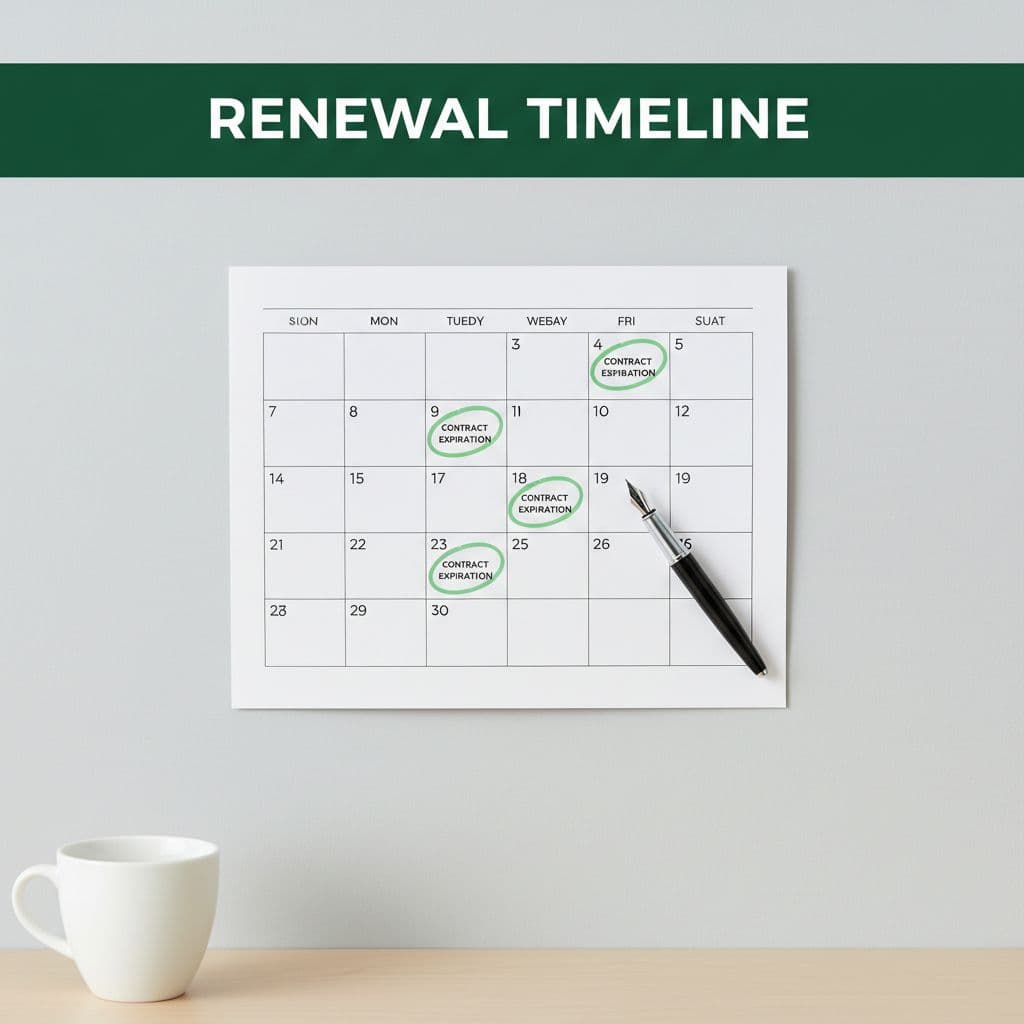
When renewal dates bunch up, a strong quarter can turn into a bad one. That is why contract renewal tracking matters so much. It turns hidden dates into a shared timeline, and contract expiry reminders give account leads time to act before the clock runs out.
A tool with contract renewal tracking features gives the team one shared view. That matters because spreadsheets break down when the roster gets busy. Dates get missed, history gets split across tabs, and renewal prep starts late.
Different client types also matter. A mix of long-term retainers, mid-size accounts, and a few project clients can smooth revenue. Still, the core recurring work has to stay strong. Otherwise, the client portfolio can look full while the actual runway shrinks.
A better system makes the month easier to read. You know which accounts need attention next. You know where the gaps are. Most important, you can see whether your progress is coming from new work or from simply replacing what left.
How agency client churn usually starts
Agency client churn rarely starts with one dramatic meeting. It starts when small problems stack up. The report lands late, the main contact changes, or the scope grows without a clear reset. Eventually, the client stops sounding excited about the partnership.
This is where client retention for marketing agencies becomes a daily habit rather than an occasional campaign. The team must notice when an account gets quiet, because silence often precedes a cancellation. If you are asking how to help churn drop, you must address the first signs of drift instead of relying on a last minute save.
Common warning signs include a slow reply pattern, repeated scope changes, and a contact list that no longer matches the people who approve the work. Billing confusion or a client who keeps asking for the same answer twice can also create friction quickly. One of the hidden killers in a marketing agency is over-service, where the team burns out on low-margin tasks that do not move the needle. To fix this, improve your communication strategy to ensure clients understand the true value you provide through better storytelling of your wins.
The practical answer to how to keep retainer clients is simple. Keep the scope clean, the rhythm steady, and the renewal date visible. People stay when the relationship feels easy to understand and hard to ignore. If the roster has too many fragile accounts, the same problems show up over and over. That is why the best answer to how to reduce client churn agency-wide starts with the mix of clients, not just the service process. Strong client relationships rely on consistent storytelling, ensuring the client never has to wonder if their investment is paying off.
If a client only hears from your team when something is wrong, the relationship is already under strain.
What to review every month
A monthly roster check does not need to be long; it needs to be consistent. Five minutes spent on the right accounts can save an entire month of cleanup later. During this process, use roster modeling to see if your industry focus is becoming too narrow or too broad. Furthermore, ensure your project management leads are reviewing performance metrics monthly to catch accounts that are drifting.
Review these items every month:
- Renewals within 60 days need a named owner and a concrete next step.
- Accounts with no recent senior contact require a proactive check-in.
- Clients with repeated scope changes need a formal reset on expectations.
- Accounts that sit near the margin need a closer look at effort versus performance metrics.
- Any client without a clear renewal date needs one added immediately.
This kind of review helps you spot weak areas before they spread. It also makes the roster easier to explain to leadership. When someone asks why a quarter feels thin, you can point to the specific accounts and dates rather than relying on a vague sense of pressure.
A shared system is vital for this process. When renewal dates, notes, and reminders live in one place, the team wastes less time hunting for context. It also becomes easier to hand off work when someone is out of the office or a role changes.
Agency client churn often shows up as a calendar problem before it shows up as a revenue problem. That is why visibility through consistent project management and strategic roster modeling matters so much.
The tools that keep the roster honest
Spreadsheets can work for a while, but they crack when the roster gets busy. Dates slip, notes live in different tabs, and nobody knows which contract needs attention first. That is where purpose-built tools help. Automating these reminders is a key step in digital transformation.
A good setup should make renewal history easy to check, send contract expiry reminders, and show what revenue is at risk this month. It should also help the team act early, rather than scrambling after a contract lapses. Good retainer management software keeps those details in one place, so the account lead can move fast without guessing. Having this data ready makes you more confident during a pitch meeting and more effective when closing clients. It allows you to focus on signing talent and growing the team instead of chasing dates.
KeepClient's contract renewal tracking features are built around that kind of visibility, with urgency markers, reminders, and client history in one place. If you want to test the fit without adding risk, you can Start Free with no credit card.
If your team is comparing options, view our pricing plans before you pick a setup. And if you have setup questions, the common questions about contract tracking page answers the basics.
The point is not more software. The point is a roster that tells the truth about risk before the month turns.
Frequently Asked Questions
Why does having a 'full' client roster sometimes feel unstable?
A full roster can be misleading if it relies on too many small, one-off projects or clients that are all set to expire at the same time. This lack of diversification creates high risk, as a single loss or a bad quarter can leave the agency scrambling for revenue despite appearing busy.
What are the earliest indicators that a client is likely to churn?
Churn rarely happens suddenly; it is usually preceded by behavioral shifts such as delayed responses, frequent scope changes without corresponding budget increases, or a lack of engagement from key stakeholders. These 'silence' signals indicate that the client no longer sees the partnership as a priority.
How often should an agency audit its client roster?
An agency should conduct a formal roster audit at least once a month. This consistency prevents small issues like scope creep or missed renewal dates from snowballing into larger, more expensive problems that are harder to fix.
Why are spreadsheets insufficient for managing an agency roster?
While spreadsheets are useful for small teams, they quickly become brittle and disorganized as an agency scales. Important details like renewal dates, communication history, and risk markers often get lost in multiple tabs, leading to missed deadlines and a lack of visibility for leadership.
Conclusion
A healthy roster is calm in the right ways. It has balanced revenue, clear ownership, and renewals the team can see early. More than anything, it keeps one account from becoming a threat to the whole agency. Whether you serve mission-driven organizations focused on social good or dominate a specific niche market, your roster is your foundation. Think like a talent agent for your clients; protecting their interests requires you to first protect your own agency stability.
If client retention for marketing agencies feels harder than it should, start with the roster shape, not only the service work. The right mix makes churn easier to spot and easier to stop.