What to Do When a Client Contract Expires Quietly
An expired client contract can slip by quietly. Learn how to spot the miss, re-engage clients, and set contract renewal tracking in one place.
A client can keep paying, keep emailing, and still slip away when the renewal date passes. That's how an expired client contract turns into lost revenue with almost no warning. For agencies, the damage spreads fast because one missed retainer affects cash flow, forecasting, and team plans.
The good news is that a quiet lapse is fixable. The first move is to check what happened, then reach out with a clear next step.
Spot the Miss Before It Turns Into Churn
Churn for marketing agencies often starts with a small admin gap, not a broken relationship. Maybe the end date sat in a spreadsheet no one opened. Maybe the client never saw a reminder. Maybe the renewal call got pushed back once, then twice.
Start by confirming four things: when the contract ended, who owned the account, whether work stopped, and whether anyone sent a renewal note. That gives you the real story instead of a guess.
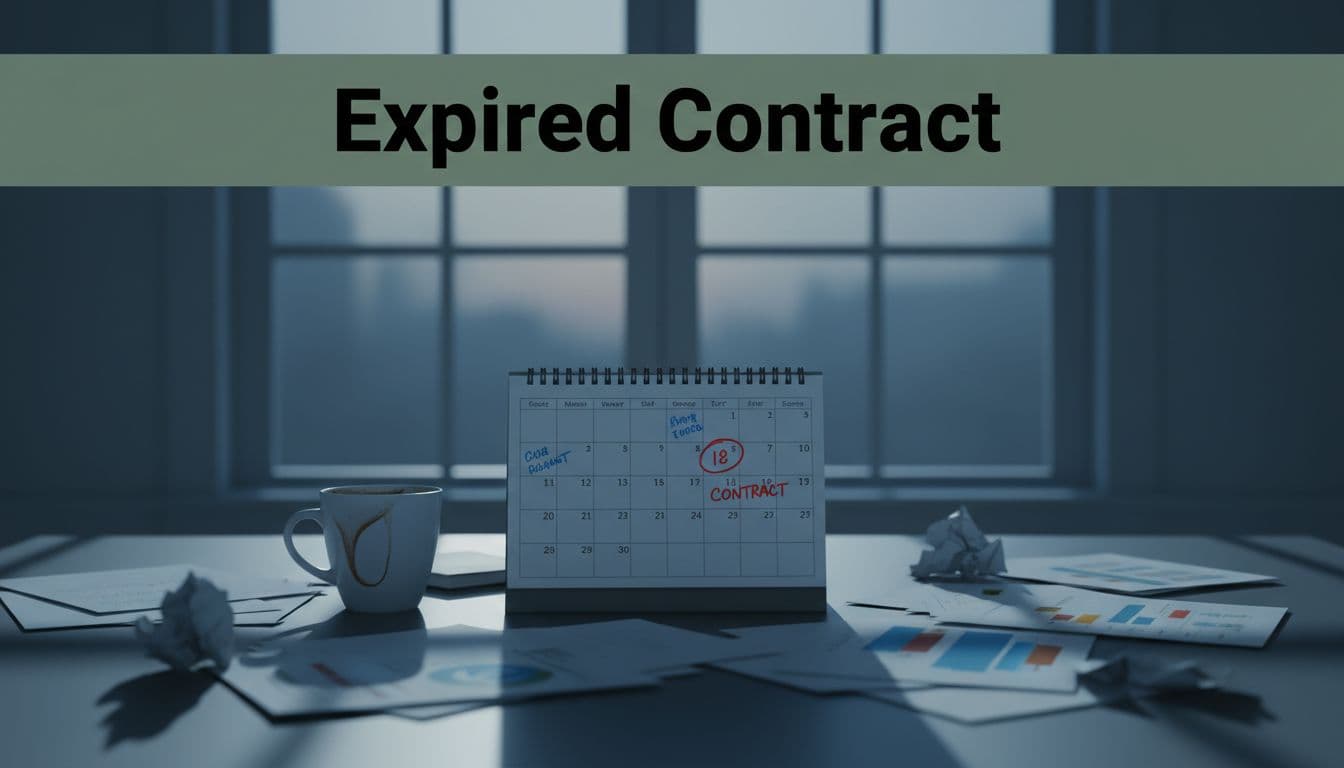
If you want to understand the risk, look at the pattern, not only the date. An account that misses one renewal may already be showing signs of stress. Swydo's client churn KPIs guide makes a strong point here, because warning signs often show up months before the final goodbye.
The gap between "active" and "expired" should never depend on memory.
If you ask how to help churn slow down, the answer begins with visibility. You can't fix what nobody can see, and you can't keep retainer work steady when renewal dates live in one person's head.
Re-engage the Client Without Overexplaining
Your first message should be short, calm, and useful. Don't build a long defense. Don't blame the system. Clients care more about what happens next than why the date slipped.

Send a note that does three things. First, acknowledge the missed renewal. Second, restate the value you're delivering. Third, offer a clear path back, such as a 15-minute call or a one-month extension.
A simple follow-up often works better than a polished pitch. One line can carry the whole message: "We noticed the renewal date passed, and we'd like to get you back on track with no disruption."
Then keep the tone steady. If the client has questions, answer them directly. If they want to pause, ask what would make the partnership worth continuing. That helps when you're learning how to reduce client churn agency-wide, because each reply tells you where the gap really is.
A short outreach checklist helps:
- Confirm the exact date and scope.
- Share the current work status.
- Ask for the next renewal decision.
If the client still wants the relationship, move fast. A silent lapse can turn into a long delay if the next step stays vague. The best follow-up feels like a hand reaching across the table, not a sales script.
Put Renewal Dates in One Place
The best fix is a better system. Spreadsheets work until they don't. Email threads work until someone leaves the team. After that, the date disappears again.
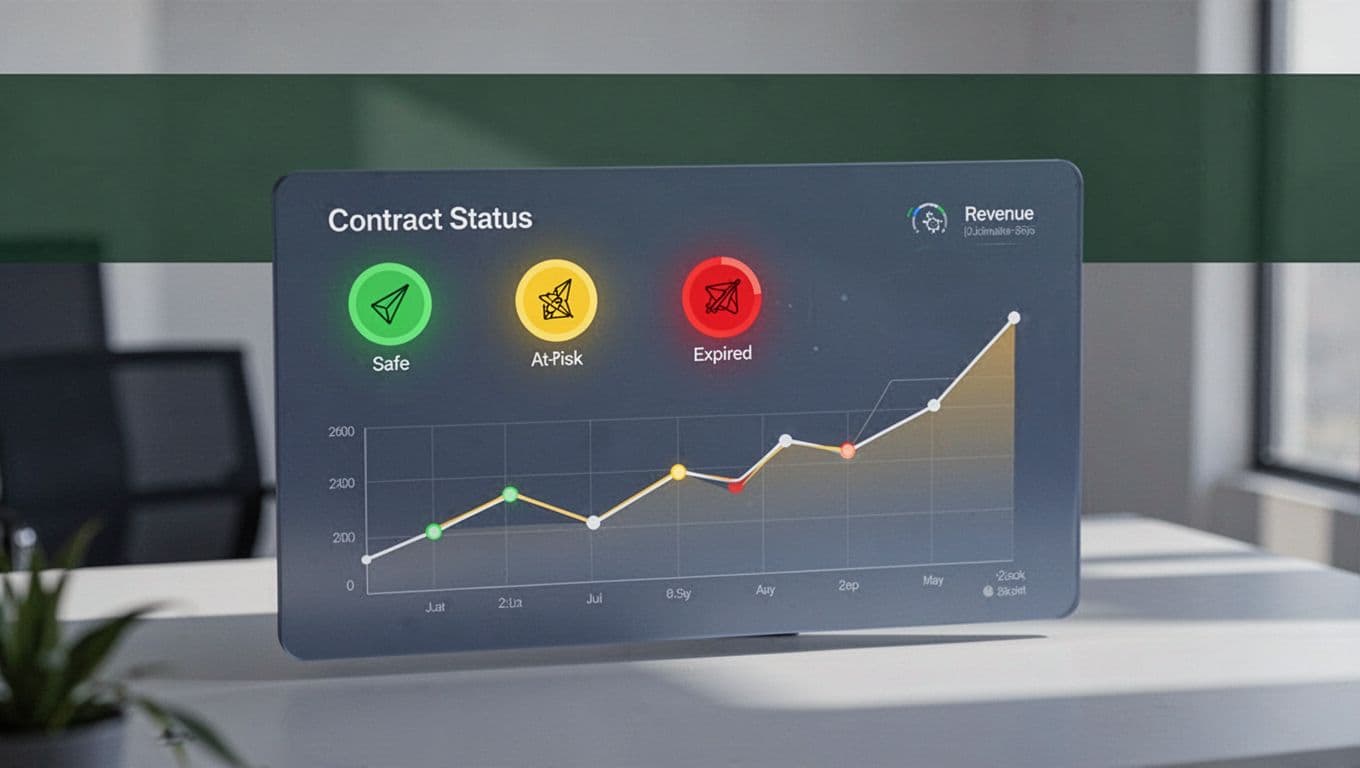
This is where contract renewal tracking features matter. A central dashboard keeps every contract, end date, and status in view. That makes it easier to spot risk early and send contract expiry reminders before a client has to ask.
It also helps to use retainer management software that shows what revenue is at risk. When your team can see the next 30, 14, and 7 days at a glance, it becomes much easier to know how to keep retainer clients from slipping away. That visibility also helps with agency client churn, because you can act before the goodbye email arrives.
If your team still tracks renewals by hand, the process will keep breaking at the worst time. If you want the simplest next step, Start Free and add the renewals you already manage by hand. If you need help with setup or reminder timing, the renewal alert troubleshooting page is a useful place to check first.
Tools matter because human memory is unreliable. Client retention for marketing agencies improves when dates, owners, and reminders all live in one place. That is the real fix for the kind of expiry that happens without drama.
Build a Renewal Habit Your Team Can Keep
Systems work best when the team uses them the same way every time. Build a repeatable renewal habit around each account review. For example, check the next expiry date in every monthly meeting. Assign one owner for each retainer. Send the first reminder before the client even starts thinking about the end date.
That habit is what separates smooth renewals from last-minute scrambles. It also gives you better context for agency client churn, because you can tell the difference between a poor fit and a simple timing problem.
Here are three habits that make a real difference:
- Review every active retainer before each monthly client meeting.
- Flag accounts that need a renewal decision in the next 30 days.
- Keep one person responsible for each contract handoff.
For more practical ideas, the agency retention ideas archive can help your team tighten its process. Outside resources can help too. AgencyAnalytics client retention strategies covers ways to improve reporting and client trust, while Synup's agency churn fixes focuses on reducing avoidable loss.
If you also want a clearer view of pricing and plan limits, check KeepClient pricing plans. That matters once renewal volume grows and manual tracking starts slowing the team down. Knowing how to help churn starts with better process, then better tools.
Conclusion
A quiet lapse is not a small problem. It is a warning that your renewal process needs more structure.
If you catch the miss fast, reach out simply, and move renewals into one visible system, you protect revenue and trust at the same time. That is how agencies reduce surprise churn and keep retainer work stable.