Why Keeping Clients Costs Less Than Finding New Ones
Customer retention vs acquisition for agencies, with contract renewal tracking tips to spot churn, protect renewals, and keep clients longer.
New leads feel exciting, but they come with a real price tag. Replacing a client usually costs far more than keeping one you already have.
That is why the customer retention vs acquisition question matters so much for agencies. If contracts slip, renewals stall, or clients feel ignored, the cost shows up twice, once in lost revenue, then again in replacement effort.
The good news is simple. Most churn is visible before it happens, which means you can fix more of it than you think.
The Cost Gap Most Agencies Ignore
Recent 2026 data keeps pointing to the same gap: acquiring a new customer can cost 5 to 25 times more than retaining one. It can also take 1 to 6 weeks to turn a lead into a paying client, even before the real work starts. See the latest client retention statistics for agencies for a closer look at the numbers.
That delay matters. During those weeks, your team writes proposals, answers objections, and chases follow-ups. Meanwhile, a retained client is already paying and already knows how you work.
So the math favors retention. A lost retainer has to be replaced, and replacement work takes time, attention, and cash. It also creates a new round of onboarding, scope setting, and proof-building. Why spend more to rebuild trust when you can keep the trust you already earned?
The chart below shows the gap clearly.
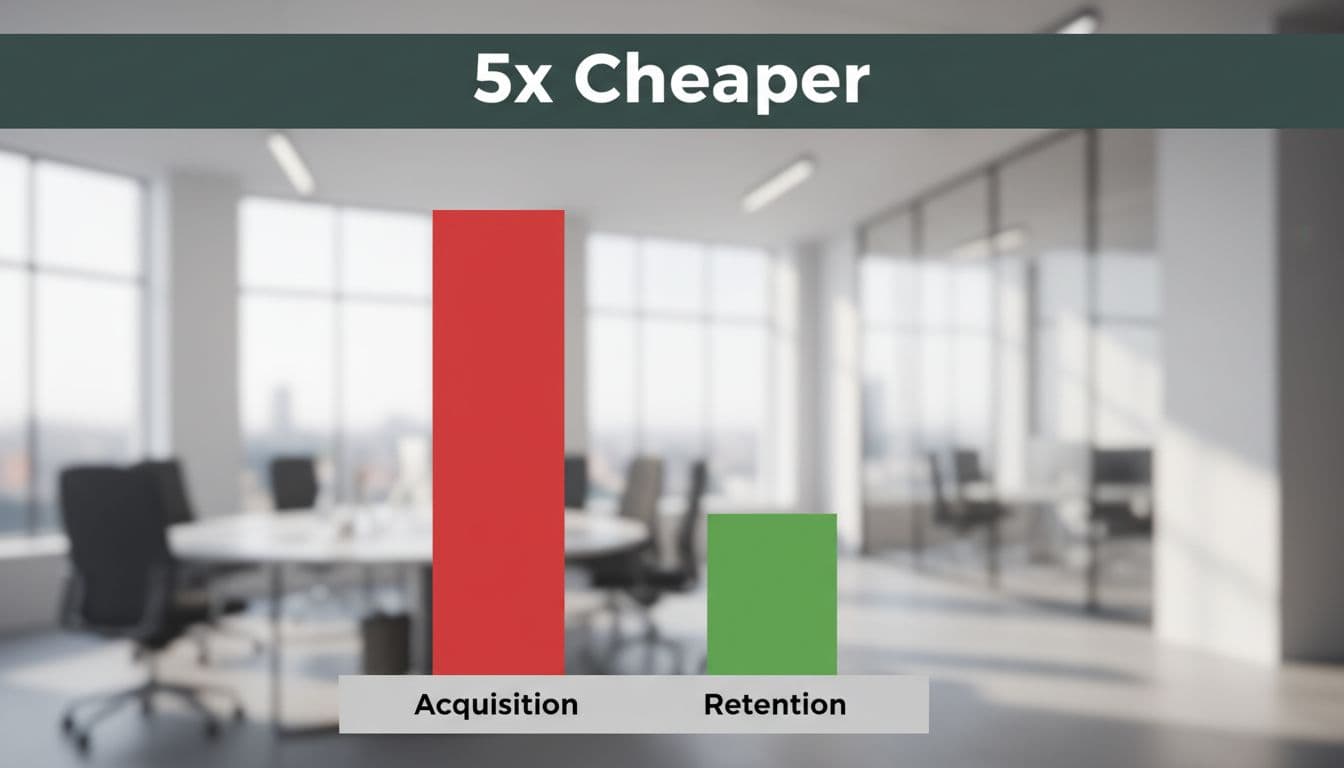
For a lot of agencies, that difference decides whether growth feels steady or constantly uphill.
Why Retention Protects Agency Margins
Retention also protects margin. Every account you keep lowers the cost of sales, onboarding, and handoff work. In contrast, every new sale pulls time from delivery.
That is why client retention for marketing agencies usually pays off before new business does. Specialized agencies often hold better margins than broad generalists, and churn reports back that up. Focus Digital's 2026 look at average marketing agency churn shows how much the model matters.
High agency client churn eats profit fast. It creates more meetings, more setup, and more room for mistakes. Retention cuts those costs because the account team already knows the client, the goals, and the pressure points. It also means fewer surprise gaps between contracts, which keeps revenue easier to forecast.
In short, retained clients are less expensive to serve and easier to grow.
Where Agency Client Churn Starts
Most churn for marketing agencies starts with small misses. A report lands late. A stakeholder changes. A renewal date passes without a real talk about value.
Teams often ask how to help churn, and the answer is to spot risk earlier. If you're asking how to reduce client churn agency-wide, start with the data you already have, especially the end date, the last check-in, and the last time the client pushed back.
This is where contract renewal tracking matters. It keeps every expiry in one place and turns a vague hunch into a clear list. It also gives you room for contract expiry reminders before the final week gets hectic. When the account team can see the timeline, they can plan the next conversation instead of racing the clock.
If you want a deeper look at renewal questions and setup, the agency retainer management FAQ is a useful reference.
Tools That Make Renewals Harder to Miss
Retainer management software turns renewals into a process instead of a memory test. It shows which contracts are close to expiring, which ones carry the most revenue risk, and which accounts need attention now.
That kind of visibility helps account leads act before the client's calendar does. It also keeps renewal follow-up from living in one person's inbox. The result is less scrambling and fewer missed handoffs. When a team gets automatic reminders at 30, 14, and 7 days, the next step is easier to plan.
If your team wants a simple place to start, the contract renewal tracking tools page shows how KeepClient organizes renewal dates, alerts, and revenue risk in one view. If you want to test the workflow, Start Free and see how renewal tracking feels without a card.
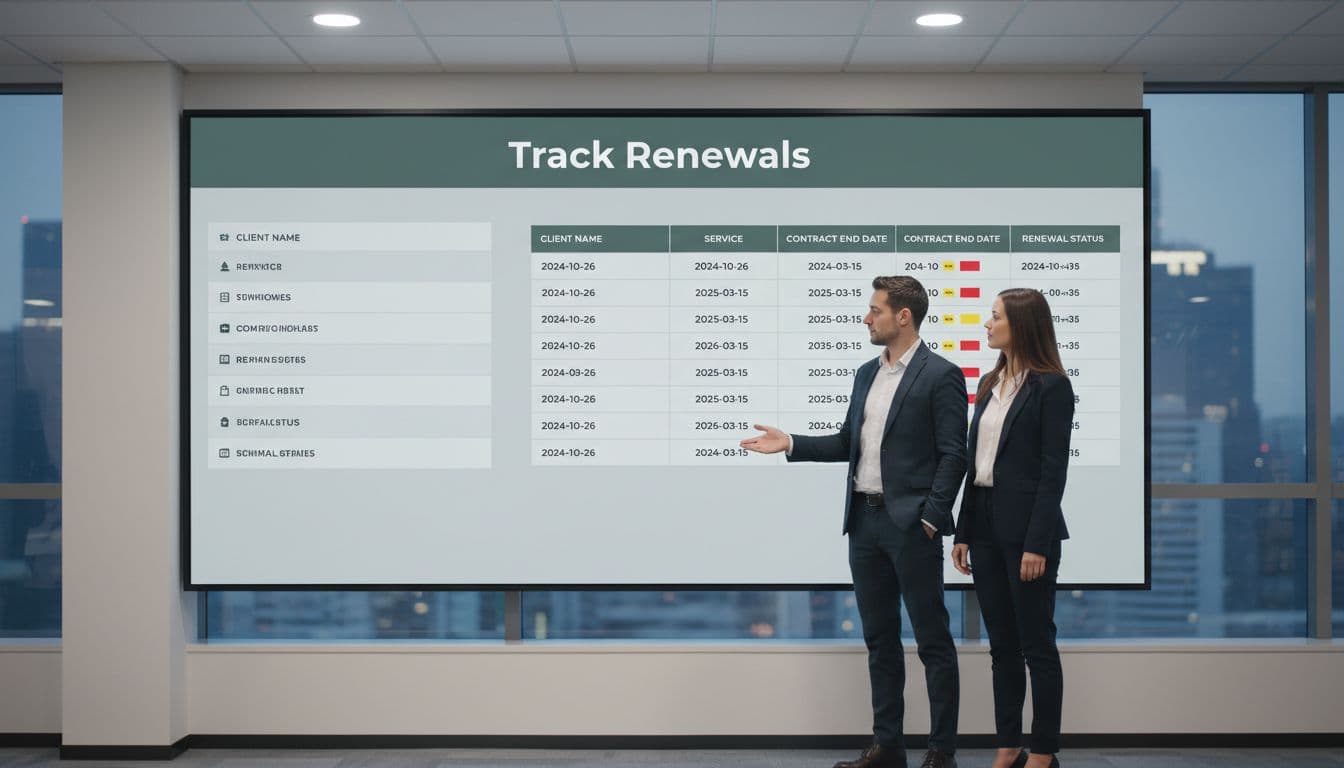
When the system is in place, one short check can save a long client relationship.
A Simple Routine for Lower Churn
How to keep retainer clients gets easier when the same habits repeat every month. Small habits beat last-minute panic.
- Review renewal dates once a week and flag anything inside 30 days.
- Watch for slow replies, missed calls, or lower engagement on active accounts.
- Send contract expiry reminders before the final week, not after it starts.
- Log why each renewal happened or failed, so the next decision is cleaner.

That routine is simple, but it keeps the next renewal from becoming a surprise.
Conclusion
Keeping a client costs less because the trust, history, and context are already in place. Finding a new one means paying for all of that again.
For agencies, the smarter move is to treat renewals like a revenue source, not an afterthought. When you track dates, watch risk, and talk early, retention becomes easier than replacement.
The numbers are plain. Retention is the cheaper path, and it protects profit while the business grows.