Why Manual Contract Tracking Is Killing Agency Growth
For a contract tracking agency, renewals cost retainer revenue. Learn contract renewal tracking, contract expiry reminders, and cut agency client churn.
Manual renewals look harmless until one missed renewal date cuts off a profitable retainer. For agencies, that slip does more than lose one account; it throws off forecasts around renewal dates, slows hiring, and feeds agency client churn.
If your contract tracking agency's contract tracking process still depends on memory and spreadsheet tabs, the problem is bigger than admin work. It is a revenue leak. Moving toward a professional contract lifecycle management approach is the key to preventing a revenue loss leak. Better systems do not just save time, they protect growth.
Key Takeaways
- Manual contract tracking creates revenue leaks through missed renewals, unreliable spreadsheets, and hidden risks that drive agency client churn.
- Centralized contract lifecycle management with automated reminders and dashboards provides full visibility, turning renewals into a proactive habit rather than a guessing game.
- Agencies retain clients longer by making contract renewal tracking part of client service, with tools like KeepClient offering retainer management software for real-time alerts and AI-powered extraction.
- Start simple: Centralize dates, set reminders, review weekly, and tie notes to clients to protect growth and reduce churn for marketing agencies.
The Hidden Cost of Manual Contract Tracking

Missed renewals are rarely a one-off mistake. They usually mean the whole account system is too loose.
When contracts live in inboxes, spreadsheets, and random notes, there is no contract visibility, so no one sees risk early. That makes contract renewal tracking a guessing game. It also means one account manager may think the legal teams sent the reminder, or vice versa.
A 2023 AgencyAnalytics benchmark report found that most surveyed agencies kept clients for over two years. That matters because churn for marketing agencies gets expensive fast when avoidable lapses are part of the routine.
A missed renewal is usually a systems problem, not a memory problem.
Better client retention for marketing agencies starts with one simple shift, a dedicated contract management system as the foundation for better retention and reliable contract tracking.
Why Spreadsheets Slow Down Renewals
Spreadsheets seem safe because they are familiar. In practice, they hide risk.
The file gets copied. Someone forgets to sort by date. A cell formula breaks. Then the team realizes the contract expired three days ago.
That is where contract expiry reminders matter. Without automated reminders, people rely on memory, and memory is not a process.
Here is what usually happens with manual tracking:
- Key dates and milestones live in different places across disjointed spreadsheet tabs, so nobody trusts the list.
- Reminders depend on one person, which creates gaps during busy weeks.
- Revenue risk from missed renewals stays hidden until the client is already gone.
- Renewal work gets pushed behind campaign delivery and reporting.
When teams ask how to help churn, the first fix is often this boring one, centralize into a contract repository. If you are trying to figure out how to reduce client churn agency wide, start by removing the missed renewals problem.

How Manual Tracking Pushes Agency Churn Higher
Manual systems do not just waste time. They change how clients feel about your agency.
A late renewal email makes the work feel reactive. A surprise lapse makes the client feel overlooked. Even if delivery has been strong, the relationship can still weaken because the admin side feels messy, obscuring contract obligations and confusing contract status. CLM software keeps communication tight by storing agreements in a unified contract repository, helping legal teams and account managers stay aligned on terms.
That is how agency client churn grows. It starts with small cracks, then turns into a lost retainer.
A practical guide on how to reduce client churn in a marketing agency points to the same issue, early warning signs and tighter communication. The lesson is simple. Clients stay when they feel seen before problems surface.
For agencies, that means renewal tracking should not sit outside account management. It should be part of it. If you want to know how to keep retainer clients, the answer is not more last-minute follow-up. It is a clearer system that shows risk early and gives the team time to act.
What Better Contract Renewal Tracking Looks Like
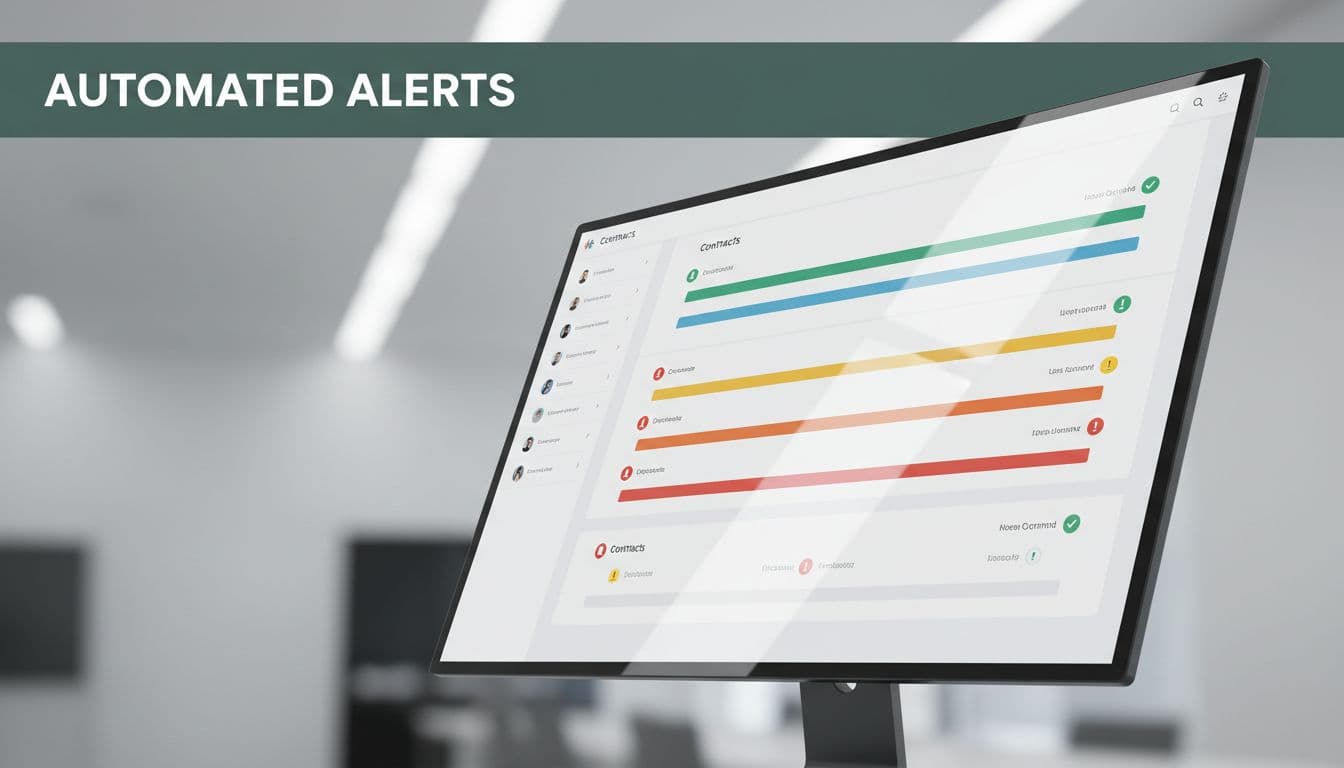
Good retainer management software leverages automated workflows and real-time dashboards. It puts every renewal date in one place and makes the risk obvious.
That is the difference between hoping someone remembers and knowing the team will act. KeepClient's contract renewal tracking tools give agencies that single view of all renewal dates, along with automated reminders, a revenue-at-risk dashboard, and AI-powered extraction to improve contract lifecycle management. In other words, the team can see what needs attention before a client disappears.
The best systems also support the way agencies actually work, including secure storage and eSignatures for broader workflows. They should send reminders at the right intervals, highlight urgent accounts, and keep renewal history tied to each client. That makes the process easier for account managers and cleaner for leadership.
If you are comparing options, the right retainer tracking plans should fit your contract volume without adding more busywork. You can also Start Free with no credit card and see whether the workflow fits your team.
For agencies trying to improve how to keep retainer clients, this is the practical move. The goal is not more software for the sake of it. The goal is fewer surprises.
Turn Renewals Into a Habit
The agencies that handle renewals well do a few things consistently. They assign one owner, review upcoming expiries every week for improved operational efficiency and compliance tracking, and send reminders before the panic starts.
That habit turns contract renewal tracking into part of client service, not an afterthought. It also gives the team time to speak with clients while there is still room to adjust scope, solve issues, or renew with confidence.
If your team wants a simple place to begin, use this order:
- Centralize every renewal date in document management, tracking key dates and milestones.
- Set reminders before the expiry date gets close.
- Review the at-risk list in weekly account meetings.
- Keep renewal notes tied to each client record.
Automated workflows and audit trails ensure that contract obligations are never ignored.
If you need setup help, the contract tracking questions page answers common edge cases. For deeper process ideas, the reducing agency churn posts go further into retention habits and renewal planning.
Frequently Asked Questions
Why do agencies miss contract renewals?
Manual tracking relies on memory, scattered spreadsheets, and disjointed notes, hiding risks until it's too late. This leads to forgotten dates, broken formulas, and reactive client communication that erodes trust. A dedicated system fixes this by automating visibility.
How does contract lifecycle management help agencies?
CLM centralizes contracts in a unified repository with automated workflows, reminders, and dashboards for contract renewal tracking. It aligns account managers and legal teams, surfaces revenue-at-risk early, and supports eSignatures for smoother processes. Agencies see fewer surprises and stronger client retention.
What are the signs your agency needs better tracking?
If renewals feel chaotic, spreadsheets are cluttered, or churn stems from lapsed retainers, manual systems are the culprit. Clients feel overlooked by late emails or surprises, even with strong delivery. Switch to tools like KeepClient for automated alerts and a single view of expiries.
How do you implement effective renewal tracking?
Centralize all dates in a contract repository, set tiered reminders, and review at-risk lists weekly in account meetings. Tie renewal history to client records and use retainer tracking plans that fit your volume. This turns tracking into a habit that protects revenue and boosts retention.
Conclusion
Manual tracking does not look dangerous until the lost revenue shows up. By then, the client is already in motion, and the team is reacting instead of leading.
Agencies that want stronger growth need a better renewal system, one that supports client retention for marketing agencies through effective risk mitigation and keeps risks visible. Treat contracts as business-critical systems that require contract analysis and data extraction capabilities found in cloud-based solutions; an effective implementation timeline for these systems can reduce cycle time and improve contract visibility for legal teams. The fix is simple to describe, and hard to ignore once the gaps start costing real accounts.